
Phaser Pedals
-
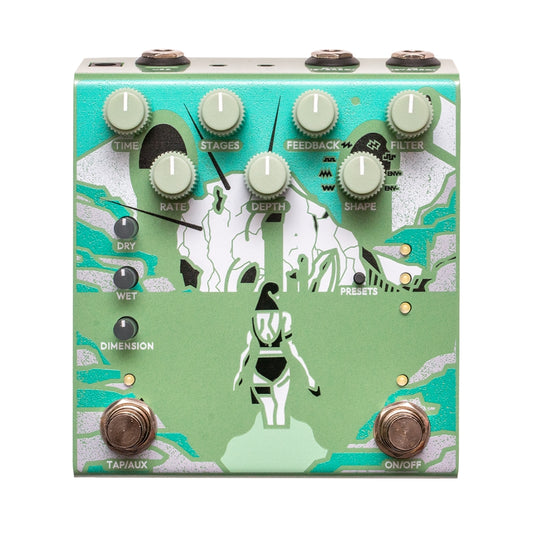
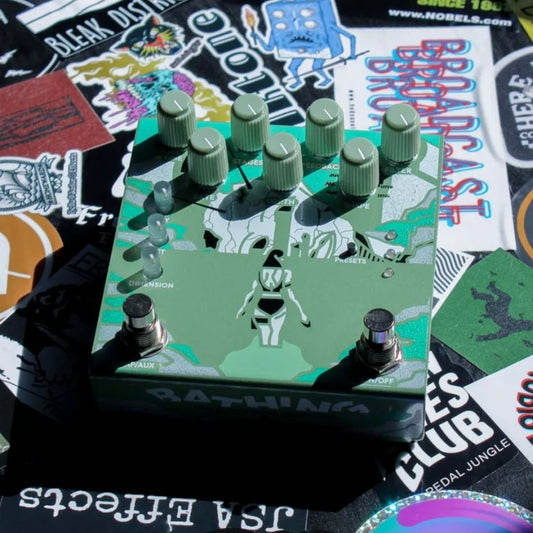
Old Blood Noise Bathing Delay Pedal
Regular price $329.00Regular priceUnit price per -
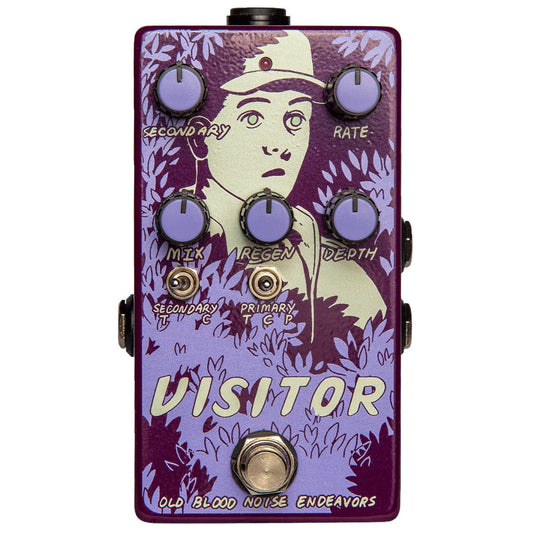
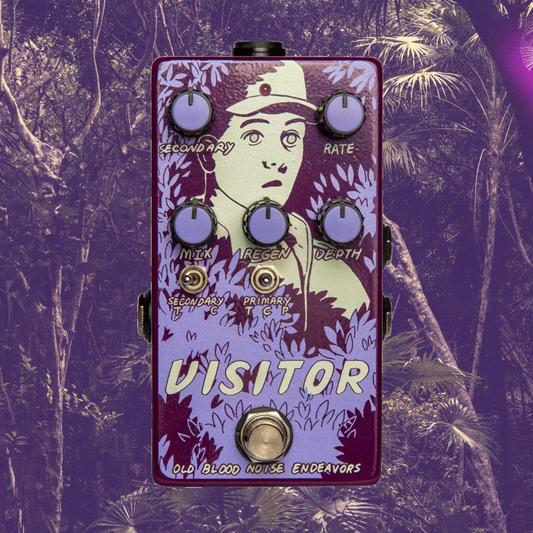
OBNE Visitor Pedal
Regular price $209.00Regular priceUnit price per -
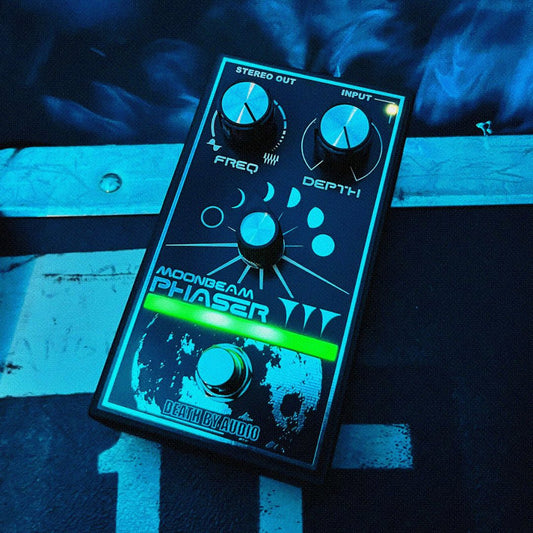
Death By Audio Moonbeam Phaser Pedal
Regular price $250.00Regular priceUnit price per -
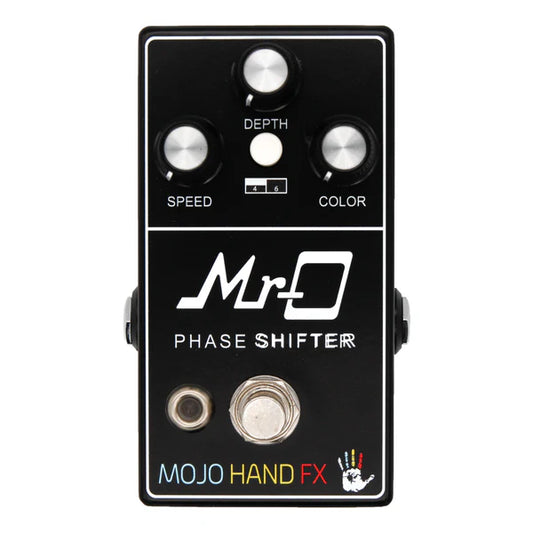
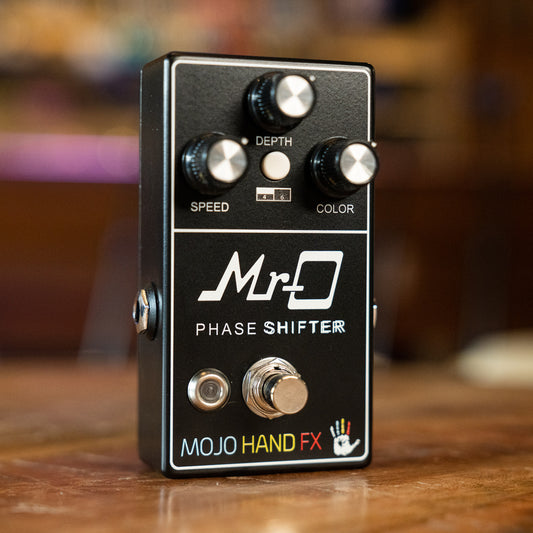
Mojo Hand FX Mr O Pedal
Regular price $159.00Regular priceUnit price per -
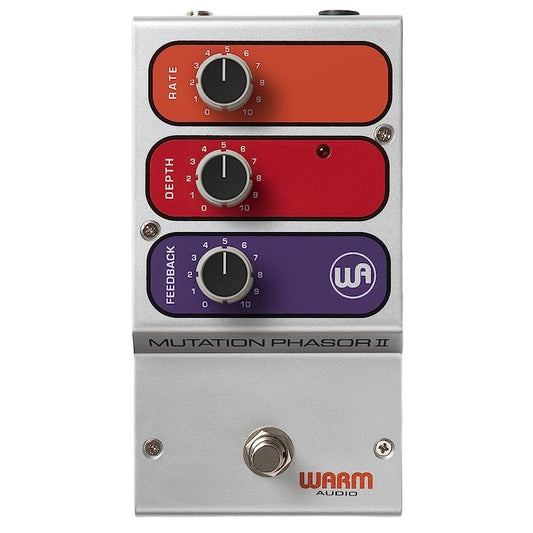
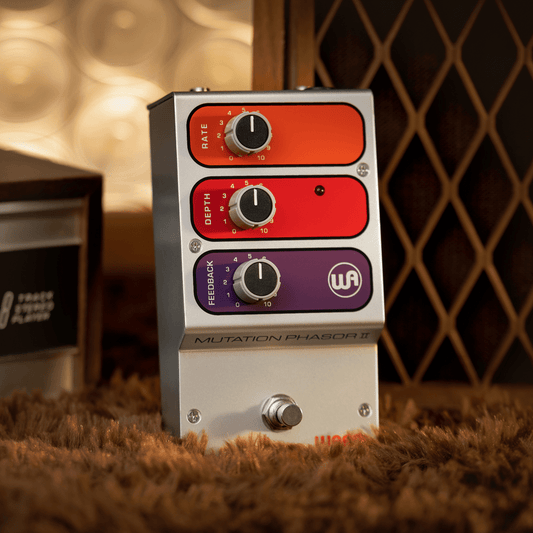
Warm Audio Mutation Phasor II Pedal
Regular price $149.00Regular priceUnit price per$149.00Sale price $149.00 -
TONECAT Cosmo Phaser Pedal
Regular price $259.00Regular priceUnit price per -
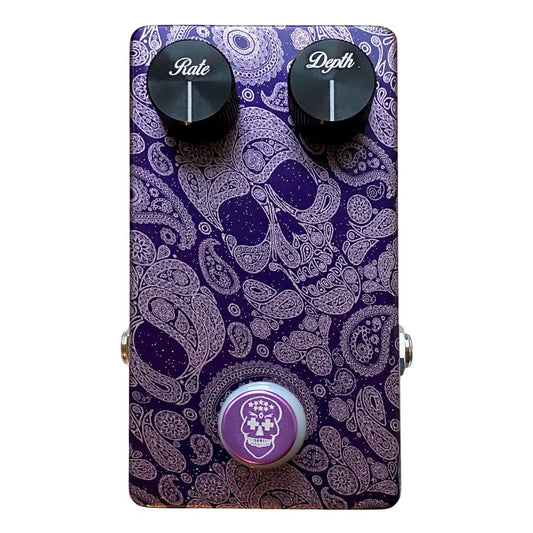
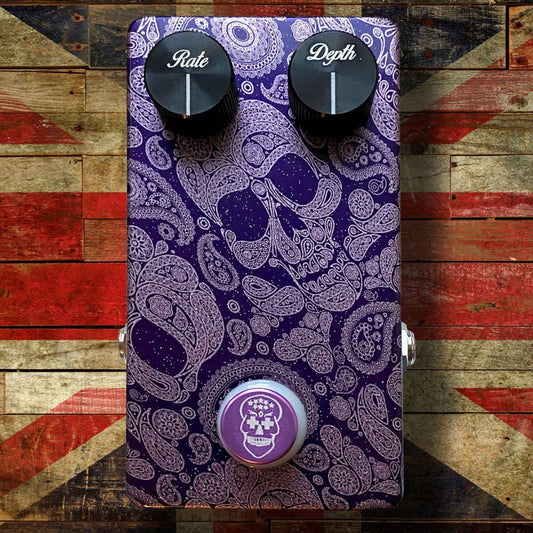
Flattley Bass Star Fazer Bass Phaser Pedal
Regular price $319.00Regular priceUnit price per -
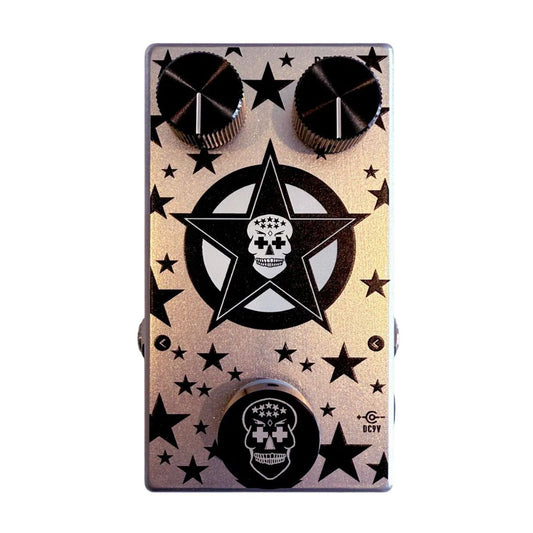
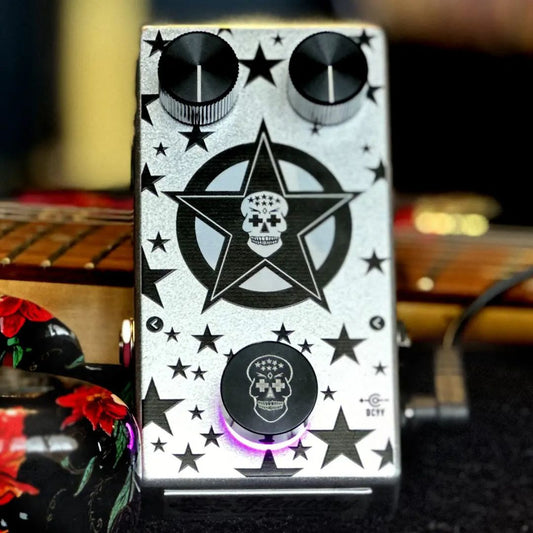
Flattley Star Fazer Phaser Pedal
Regular price $279.00Regular priceUnit price per -
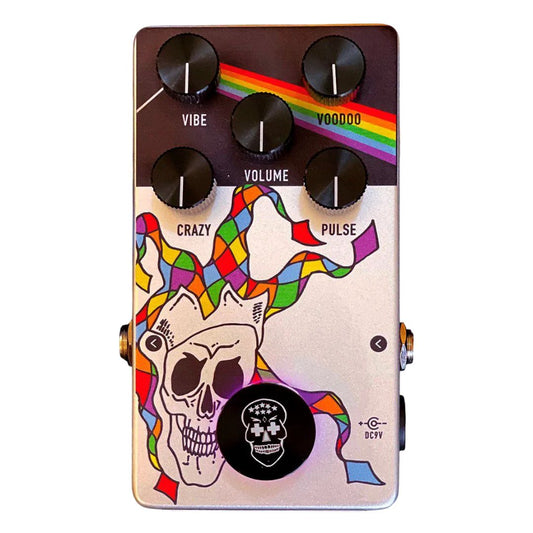
Flattley Crazy Diamond Vibe Pedal
Regular price $279.00Regular priceUnit price per -
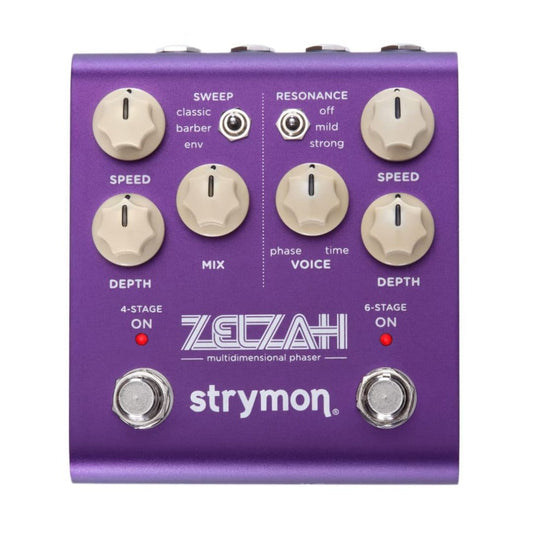
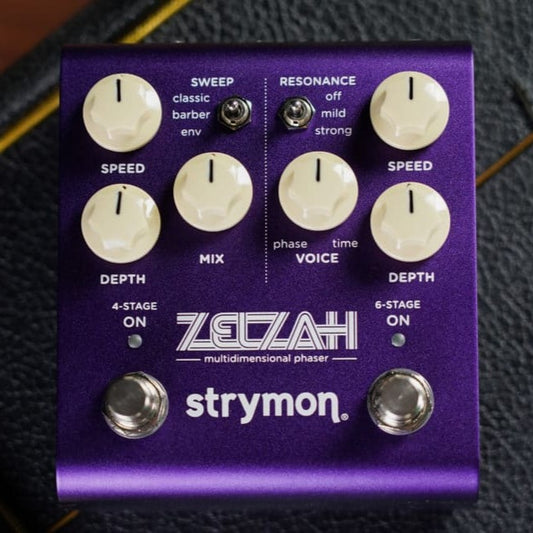
Strymon Zelzah Phaser & Modulation Pedal
Regular price $349.00Regular priceUnit price per -
 $93.70 off
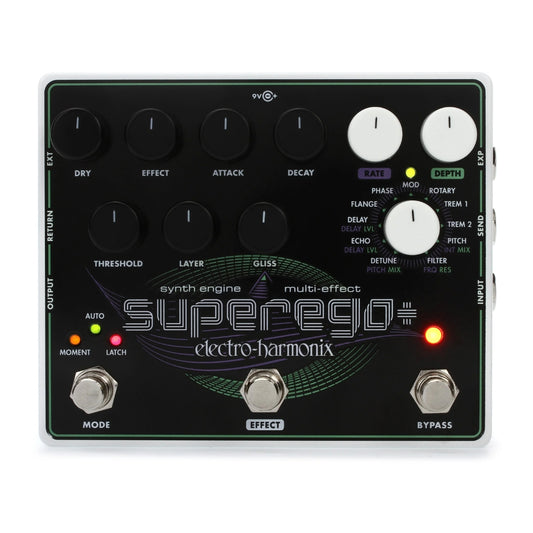
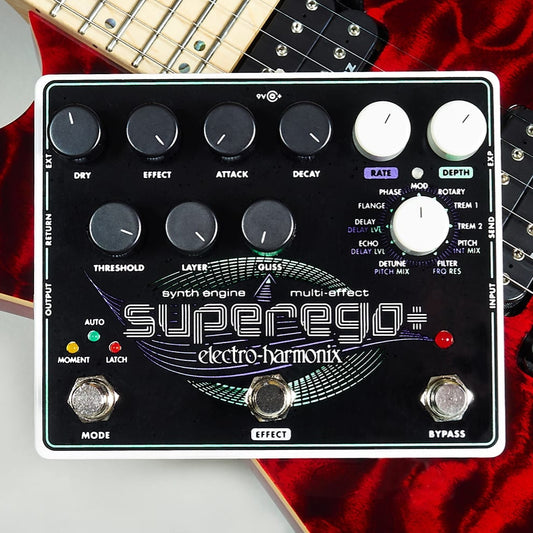
Electro-Harmonix Superego Plus Pedal
Regular price $283.80Regular priceUnit price per$377.50Sale price $283.80$93.70 off -
 Sold out
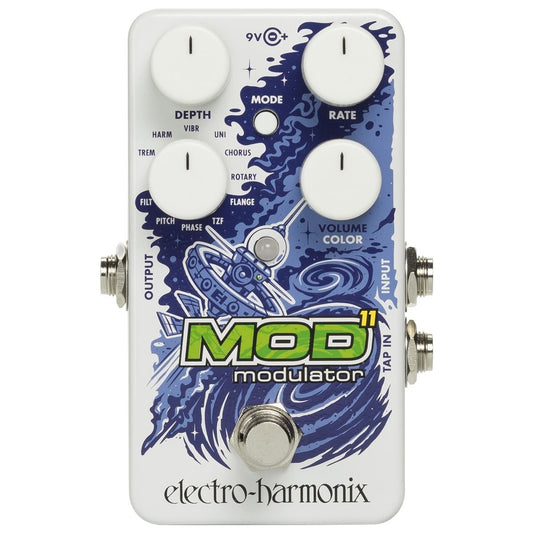
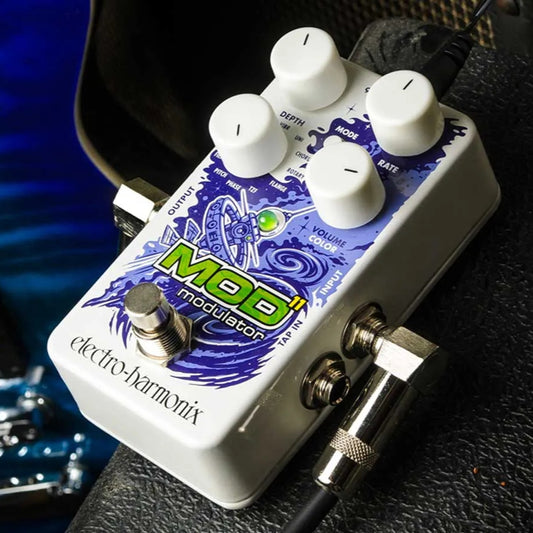
Electro-Harmonix MOD 11 Pedal
Regular price $176.00Regular priceUnit price per$234.10Sale price $176.00Sold out -
 Sold out
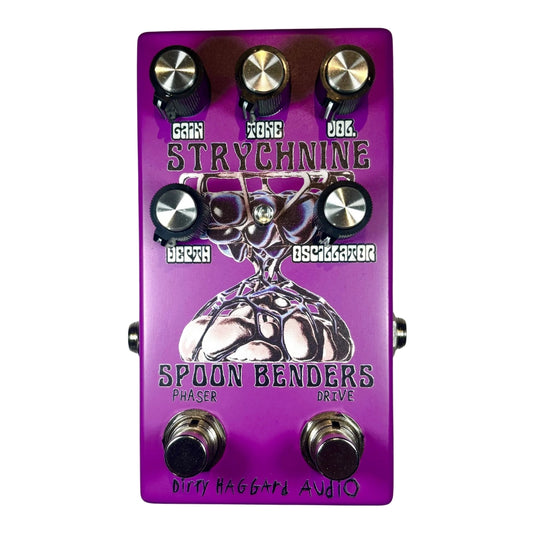
Dirty Haggard Strychnine Pedal
Regular price $150.00Regular priceUnit price per -
 $65 off
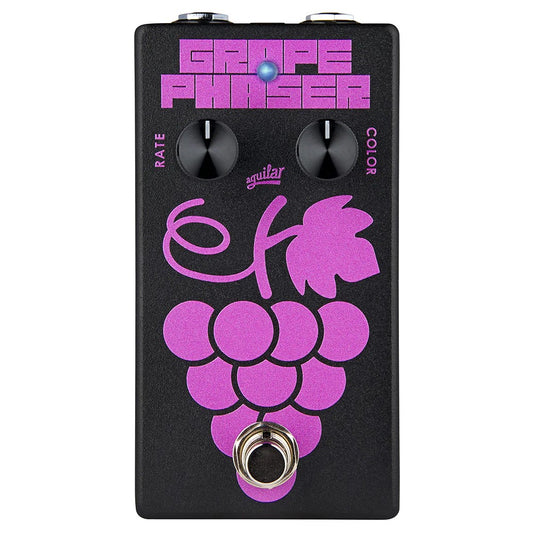
Aguilar Grape Phaser Pedal V2
Regular price $199.99Regular priceUnit price per$264.99Sale price $199.99$65 off -
 Sold out
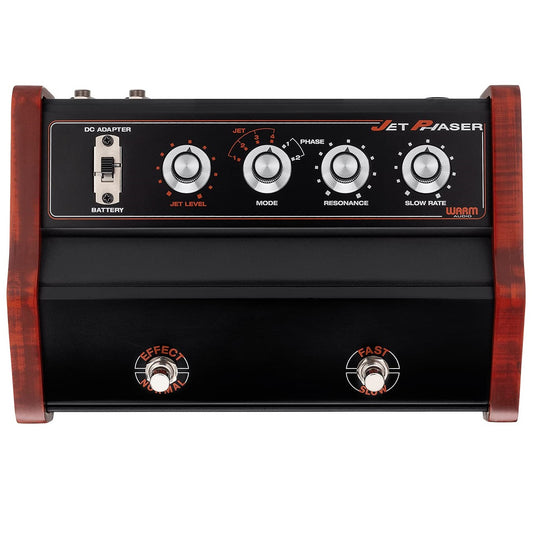
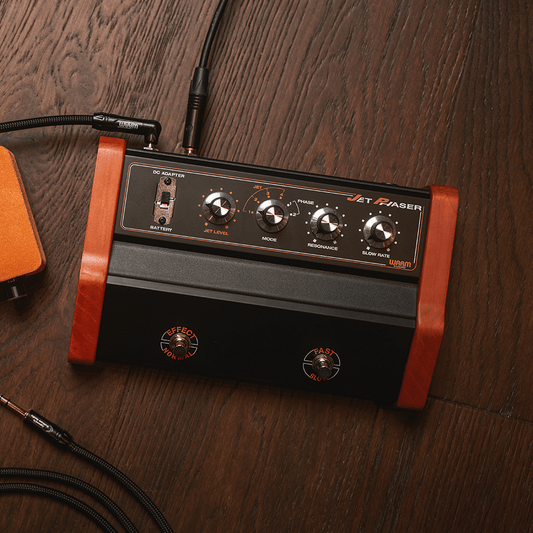
Warm Audio Jet Phaser Pedal
Regular price $199.00Regular priceUnit price per -
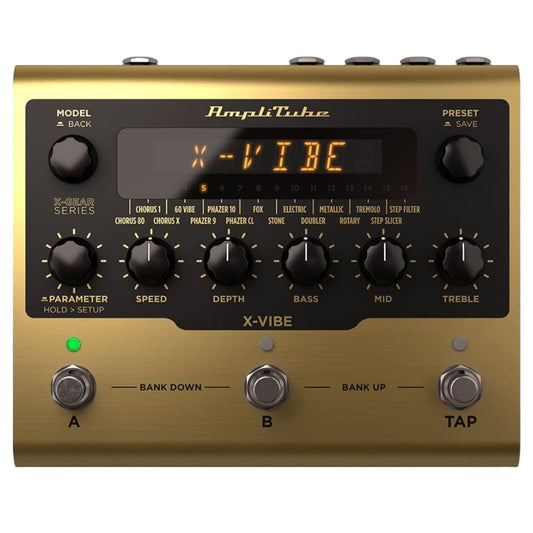
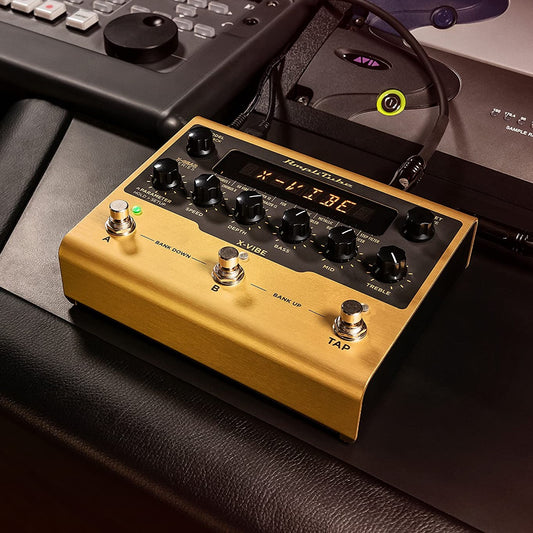
IK Multimedia AmpliTube X-Vibe Modulation Pedal
Regular price $329.99Regular priceUnit price per$329.99Sale price $329.99Sold out -
 Sold out
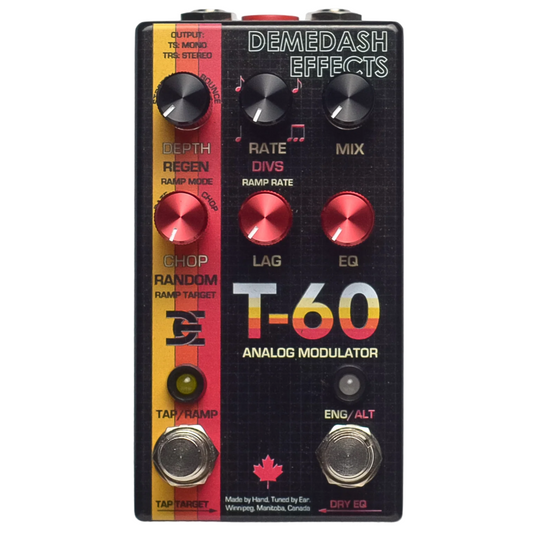
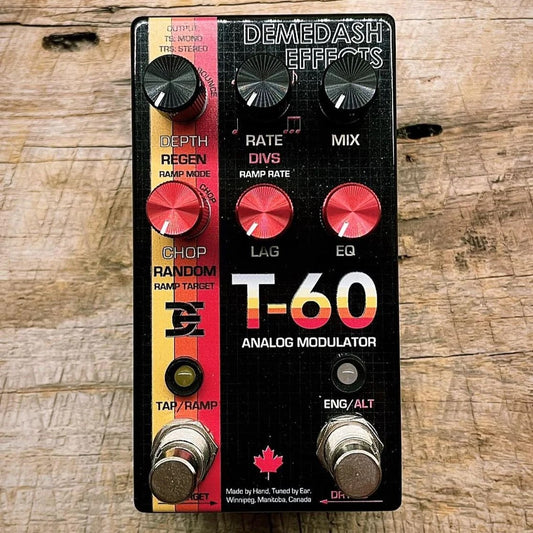
Demedash Effects T-60 Pedal
Regular price From $300.00Regular priceUnit price per -
 Sold out
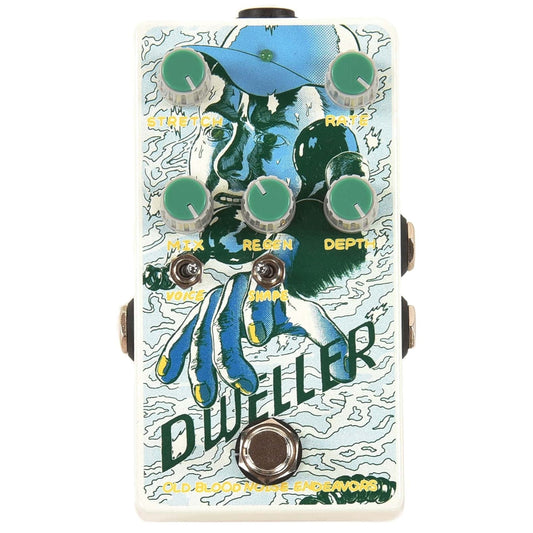
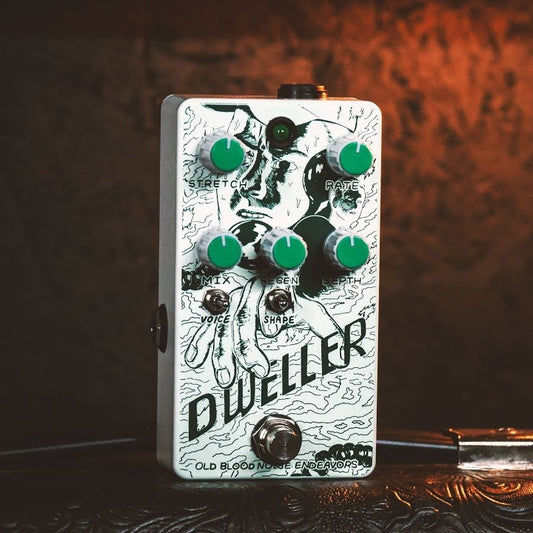
OBNE Dweller Pedal
Regular price $209.00Regular priceUnit price per -
 Sold out
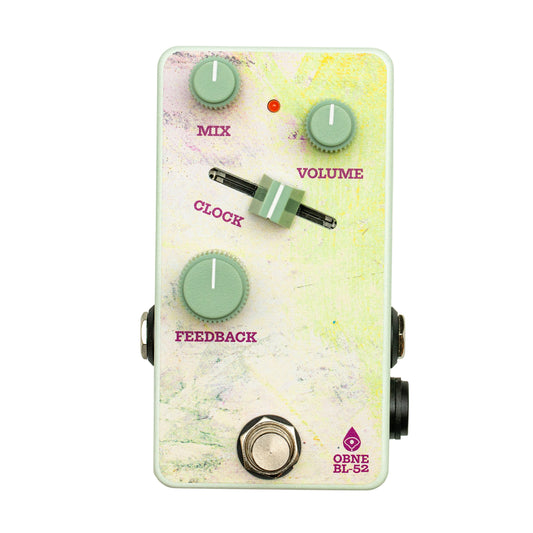
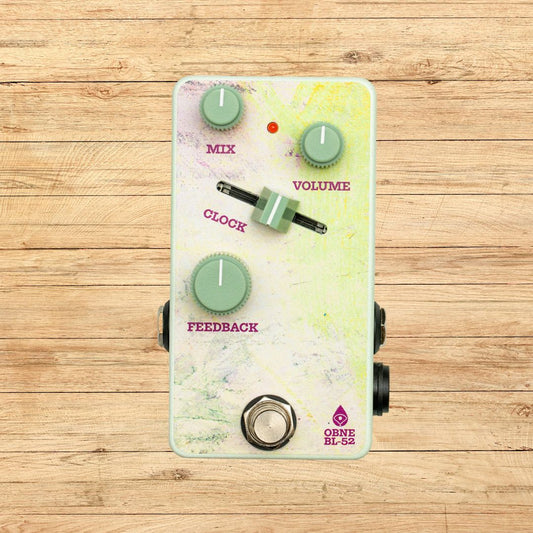
OBNE BL-52 Pedal
Regular price $179.00Regular priceUnit price per -
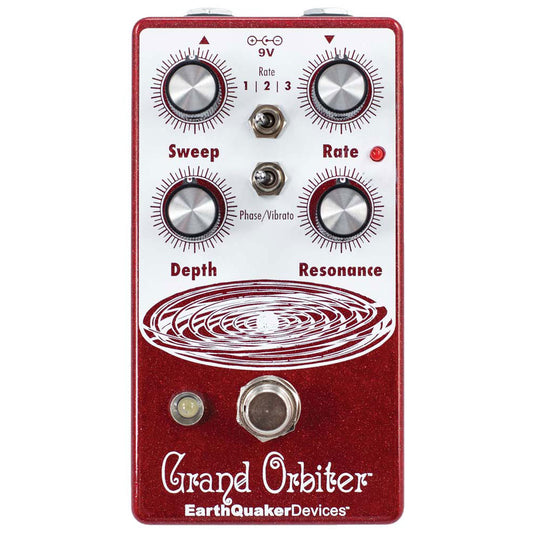
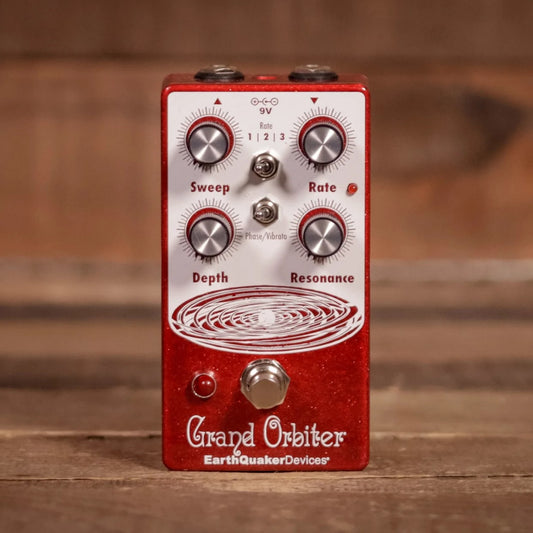
Grand Orbiter EarthQuaker Devices Pedal V3
Regular price $199.00Regular priceUnit price per



Collection: Phaser Pedals
Phaser Guitar Pedals
Spice up your playing by adding motion and depth to your guitar lines with the help of a good phaser pedal.
Phaser pedals are modulation effect pedals that add whooshes and sweeps to the instrument's signal. It works by splitting the audio signal into two, altering the phase of one of them before blending them back together. This creates a variety of peaks and troughs in your audio signal's spectrum, creating the signature phaser effect.
Modern phasers usually have control knobs for depth, rate, and resonance, giving you the flexibility to tweak the effect to your preference. You can adjust a phaser pedal anywhere from subtle phasing to in-your-face swirls.

What Is a Phaser Pedal?
If you're wondering "what is a phase shifter pedal?" or "what does phaser pedal do", a phaser (also called a phase shifter guitar pedal) shapes your tone by splitting the signal and shifting its phase, then blending it back with the original. This creates moving peaks and notches in the frequency spectrum, heard as a smooth, swirling motion often described as pedal phase.
An analog phaser pedal uses all-analog circuitry to deliver warm, organic modulation, making it a favorite for classic rock, funk, and psychedelic tones. Many players chase the character of a vintage phase pedal, known for its subtle movement, musical sweep, and touch-sensitive response. Whether used gently for depth or pushed for dramatic sweeps, a phaser adds motion and dimension without overpowering your core tone.
A common question among players is what does a phaser pedal do in practical terms. In short, it adds motion and texture to your sound by creating a cyclic sweep that interacts with your playing dynamics and picking intensity.
From subtle shimmer on clean chords to pronounced swooshing on leads and riffs, the effect can be as understated or as bold as you want. This versatility is why finding the best phaser pedal guitar often comes down to how naturally the sweep feels and how well it complements your playing style and rig.

History of Phaser Pedals
The earliest accounts of the phaser effect date back to the late 1960s, during the height of the psychedelic music era. It started as a studio effect that was achieved using tape machines. The technique involved manipulating tape reels to create the phasing effect.
By 1971, the Maestro PS-1 was introduced. It was the first phaser pedal available commercially. This phase pedal's inventive swirling sound quickly gained popularity among guitarists seeking an added edge to their music, and was made famous by players such as Eddie Van Halen.

Throughout the 1970s, more brands followed the fad by making their phaser guitar pedals. Brands like Electro-Harmonix, MXR, and Boss released their well-known phaser effects, Electric Mistress, MXR Phase 90 pedal, and Boss PH-3 phase shifter pedal, respectively. This helped with the evolution of the pedal and gave musicians more options to choose from.
With digital advancements over the decades, the guitar phaser pedal evolved with more sophisticated designs that offer better control and flexibility. This made the phaser effect a staple across various genres with its unique ability to add texture and depth to sonic landscapes.

Phaser Effect Pedal Types
Phaser pedals come in several formats, each offering a different flavor of movement and tonal complexity. Understanding these types makes it easier to choose the best guitar phaser pedal or find the right option for bass, stereo rigs, or multi-effect modulation setups.
2-Stage Phaser Pedals
A 2 stage phaser pedal delivers a subtle, smooth sweep with fewer phase notches, making it ideal for a clean phaser tone, funk rhythms, and vintage-style modulation. These pedals are often favored by players who want movement without heavy coloration, similar to early classic phaser sounds.
4-Stage Phaser Pedals
The 4 stage phaser pedal is the most common design and a staple among the best phaser pedals for guitar. It produces a deeper, more pronounced swirl that works well for rock, blues, and psychedelic tones. This balance of warmth and intensity makes it a go-to choice for many guitarists.
Stereo Phaser Pedals
A stereo phaser pedal splits the modulation across two outputs, creating wide, immersive movement when used with dual amps or recording setups. This type of phaser excels in ambient, experimental, and studio environments where spatial depth is key.
Bass Phaser Pedals
A dedicated bass phaser pedal is tuned to preserve low-end clarity while adding movement to the signal. The best bass phaser pedal maintains punch and definition, making it suitable for funk, fusion, and modern bass tones without thinning out the lows.
Dual Phaser Pedals
A dual phaser pedal (sometimes called a dual phase pedal) features two independent phaser circuits that can run in series or parallel. This allows for complex modulation textures, rhythmic interactions, and layered sweeps that go far beyond traditional phasing.
Combo Modulation Pedals (Phaser Flanger Chorus Pedal)
Some pedals combine multiple modulation effects into one unit, such as a chorus and phaser pedal, flanger and phaser pedal, a phaser tremolo pedal, a phaser vibrato pedal, or an all-in-one chorus flanger phaser pedal. These hybrid designs are popular with players looking for versatility, and many are considered contenders for the best phaser flanger pedal category. A well-designed chorus and phaser pedal can cover everything from lush width to swirling phase textures, making it an efficient choice for compact pedalboards.
For maximum versatility, some modulation units combine multiple effects in one enclosure, such as a chorus phaser flanger pedal, or flanger phaser combo pedal. These designs are ideal for players who want access to multiple classic modulation sounds while keeping their pedalboard compact.
Most Popular Phaser Guitar Effect Pedals on DeathCloud
Death By Audio Moonbeam Phaser

Flattley Bass Star Fazer Bass Phaser

Mojo Hand FX Mr O

EarthQuaker Devices Grand Orbiter Phaser Pedal

Warm Audio Mutation Phasor II

Which Type of Guitar Pedal Phaser Is Best for Me?
Choosing the right phaser effect guitar pedal depends on your playing style, pedalboard space, and the tones you're chasing. With so many phaser pedals guitar players can choose from, narrowing it down becomes much easier once you know what matters most to you.
If you’re building a compact board or want to save space, a phaser mini pedal (or mini phaser pedal) is a smart choice. These pedals deliver classic phase tones in a smaller footprint, making them ideal for minimal rigs, fly boards, or players who need efficiency without sacrificing sound quality.

For classic tones and organic movement, a vintage phaser pedal or the best analog phaser pedal is often the top pick. Analog designs are known for their warm, musical sweep and touch sensitivity, closely associated with iconic phase sounds from the ’70s and ’80s. If you’re after timeless modulation, this style often defines what many players consider the best phase pedal.
Budget also plays a role. A well-designed, cheap phaser pedal can still deliver inspiring results for beginners or players who use phasing occasionally. Many affordable options capture the essential character of a phaser effect without unnecessary features, making them a practical entry point. Some good affordable options include the Behringer VP1 vintage phaser effects pedal, the TC Electronic Helix phaser pedal and the Blood Moon phaser pedal.

Players interested in hands-on control may prefer a phaser pedal with expression input, or models that support a phaser expression pedal for more control over modulation. Many modern phasers offer phaser pedal true bypass, a useful feature that ensures your tone remains untouched when the effect is off.
Ultimately, the best choice comes down to how the pedal fits your rig and musical goals. Whether you need a compact solution, vintage character, or a cost-effective option, today's market offers a wide range of phaser pedals designed to help you find the tone that feels right.

Why Shop Phaser Effect Pedals at DeathCloud?
At DeathCloud, we curate a focused selection of the best phaser pedals for guitar and bass, emphasizing tone, build quality, and real musical value. From handcrafted boutique designs to reliable everyday options, our lineup is built to help you find the best phase shifter pedal for your style without the guesswork.

Looking for character and craftsmanship? We carry some of the best boutique phaser pedal options available, chosen for their musical sweeps, inspiring controls, and unique voicings. If affordability is your priority, you'll also find the best budget phaser pedal and best cheap phaser pedal choices that still deliver rich, usable modulation and stage-ready reliability.
Bass players aren't left out. Our collection includes carefully selected models designed to retain low-end clarity, making it easy to find the best phaser pedal for bass without sacrificing punch or definition. Every pedal we stock is tested with real players in mind, ensuring you get proven tones, honest recommendations, and a selection you can trust.

Where to Buy the Best Phaser Pedals
Our selection of the top phaser pedals here at DeathCloud comes from today’s top guitar pedal brands and are based on trusted phaser pedal reviews. Whether you’re looking for a phaser that has simple controls or one that offers multiple modes, expect that we have the best option that will stay on your pedalboard for the years to come.